SKIN & LASER
Chemical Peels in Plano, TX
Refresh your skin with professional chemical peel treatments at MEDSPA 33 in Plano, TX. Our experienced registered nurses and advanced practice providers select each peel based on your skin type, concerns, and treatment goals—helping improve dullness, uneven tone and texture, discoloration, breakouts, and overall skin clarity.
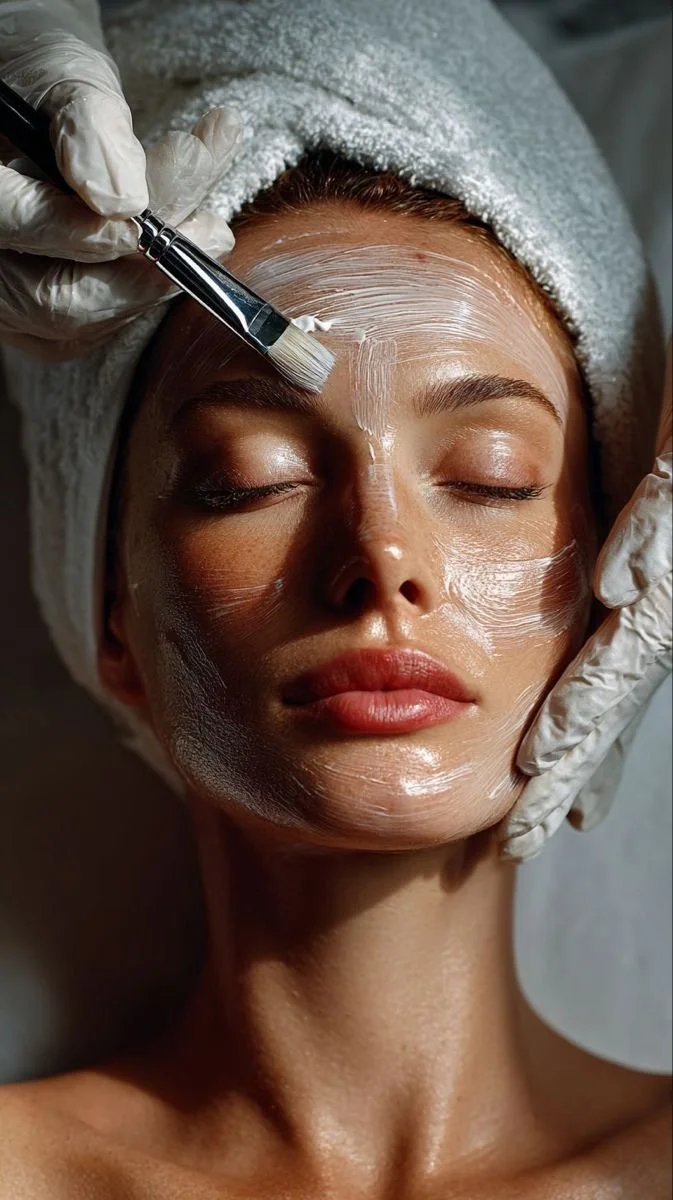
SAFE & TRUSTED TREATMENTS
NOTICEABLE RESULTS
EXPERIENCED MEDICAL PROVIDERS
ABOUT CHEMICAL PEELS
What Is a Chemical Peel?
A chemical peel is a professional skin resurfacing treatment that uses a carefully selected solution to exfoliate the outer layers of the skin and encourage skin renewal.
Peels vary in formulation and depth, from lighter treatments with minimal downtime to more corrective options that create more visible peeling. The appropriate approach depends on your skin, concerns, and desired level of correction.
Types of Chemical Peels
Chemical peels vary in ingredients, strength, and depth. These differences allow treatment to address a range of skin concerns while taking your skin type and treatment goals into consideration.
AHA Peels
Alpha hydroxy acids, such as glycolic and lactic acid, exfoliate the surface of the skin and may help improve dullness, uneven tone and texture, and the appearance of fine lines.
BHA Peels
Beta hydroxy acids, such as salicylic acid, are often used for oily, congested, and acne-prone skin because they exfoliate while helping clear buildup within the pores.
Blended Peels
Some chemical peels combine multiple exfoliating acids or ingredients to address concerns such as breakouts, discoloration, uneven texture, and visible sun damage.
TCA Peels
Trichloroacetic acid (TCA) provides more intensive resurfacing and may be used for concerns such as pigmentation, sun damage, fine lines, and uneven texture.
Peel Depth
Chemical peels can range from light, superficial exfoliation with minimal downtime to medium-depth treatments that produce more noticeable skin renewal and peeling. The appropriate depth depends on your skin, concerns, and desired level of correction.
At MEDSPA 33, we evaluate your skin before treatment to determine the appropriate type, strength, and depth of chemical peel for your skin and goals.
Concerns We Treat
Chemical peels may be used to improve:
Uneven skin tone
Rough or uneven texture
Dull-looking skin
Acne and breakouts
Congested pores
Post-acne discoloration
Sun damage
Hyperpigmentation
Fine lines
Benefits of Chemical Peels
Removes dull surface buildup
Promotes smoother-looking skin
Brightens the complexion
Helps improve skin clarity
Refines the appearance of pores
Encourages skin renewal
Can be adjusted to different levels of exfoliation and downtime
Who Is a Good Candidate for Chemical Peels?
You may be a suitable candidate if you:
Want brighter, smoother-looking skin
Have uneven tone or texture
Are concerned about discoloration or sun damage
Experience acne, breakouts, or congested pores
Want to improve the appearance of fine lines
Prefer a non-surgical skin resurfacing treatment
Have realistic expectations about your results
Not every type or strength of chemical peel is appropriate for every skin type. During your consultation at MEDSPA 33, we’ll evaluate your skin, current skincare routine, and concerns to determine an appropriate treatment approach.
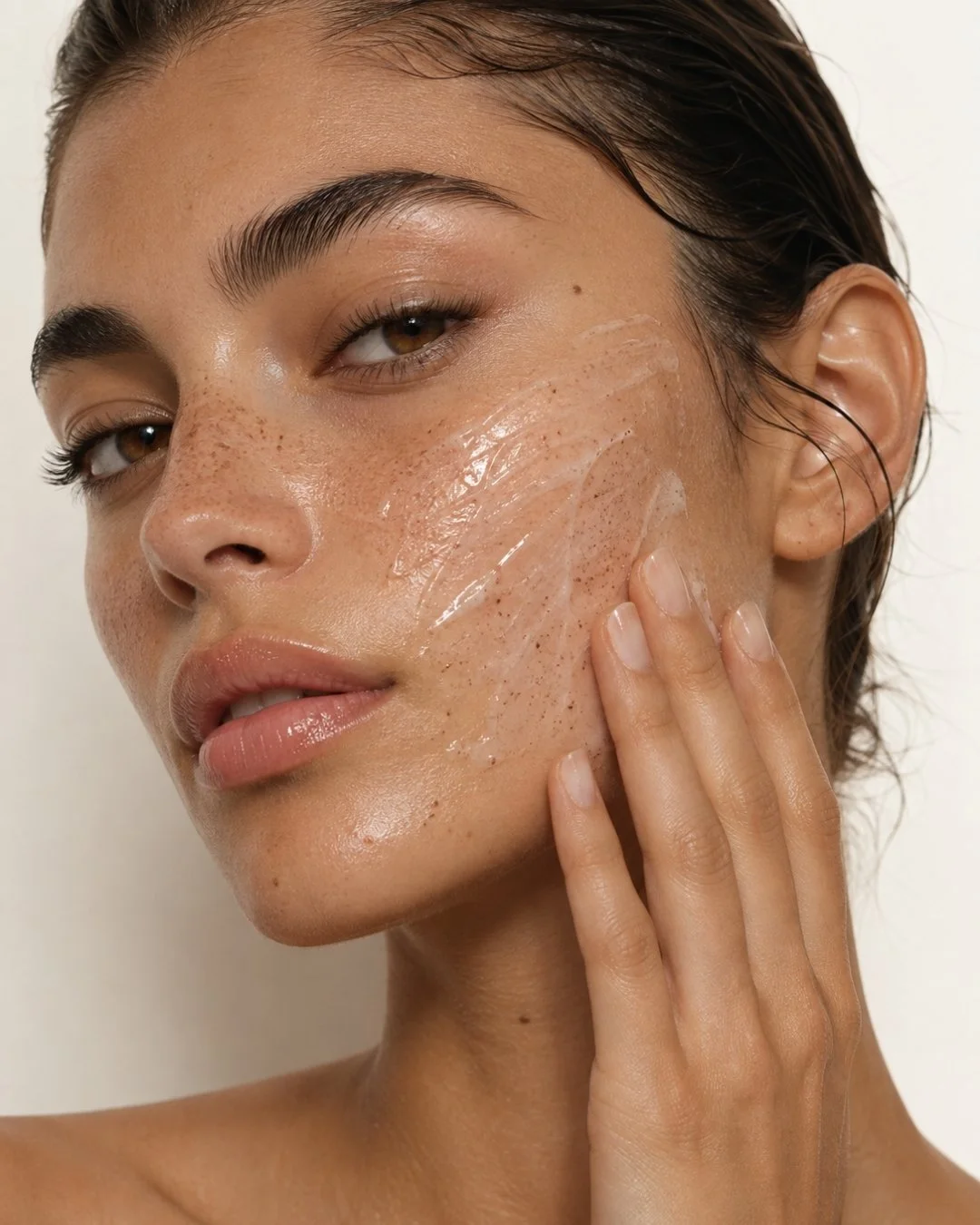
What to Expect
CONSULTATION
Your appointment begins with an evaluation of your skin, current skincare routine, concerns, and treatment goals. We’ll determine the type and strength of chemical peel appropriate for your skin.
TREATMENT
Your skin is cleansed and prepared before the peel solution is carefully applied. You may experience warmth, tingling, or mild stinging during treatment. The application and number of layers may vary depending on the peel being performed.
AFTER TREATMENT
Your skin may feel tight, dry, or sensitive following treatment. Depending on the depth of the peel, you may experience mild flaking or more noticeable peeling over the following days. You’ll receive aftercare instructions, including guidance on skincare and sun protection while your skin recovers.
Treatment Details
Professional chemical peel treatment designed to exfoliate and renew the skin for a smoother, brighter, more refreshed appearance.
Treatment Time
30-60 minutes
Downtime
Varies by peel
Pricing
Based on treatment
BOOK A CHEMICAL PEEL ↗
Frequently Asked Questions About Chemical Peels
What does a chemical peel do?
A chemical peel removes damaged surface skin and encourages skin renewal. Depending on the peel, treatment may help improve skin clarity, texture, discoloration, breakouts, and signs of sun damage.
Does a chemical peel hurt?
You may experience warmth, tingling, or mild stinging while the peel is applied. The sensation varies depending on the type and strength of peel.
Will my skin peel after a chemical peel?
Not necessarily. Some peels cause little visible flaking, while others produce more noticeable peeling for several days. The amount of visible peeling does not necessarily indicate how effective your treatment was.
How long is the downtime after a chemical peel?
Downtime depends on the depth and strength of your peel. Lighter treatments may require little downtime, while more intensive peels can cause several days of dryness, flaking, redness, or peeling.
When will I see results from a chemical peel?
Skin may begin to appear brighter and smoother as it completes the renewal process following treatment. Timing varies depending on the peel and your individual skin response.
How often should I get a chemical peel?
Treatment frequency depends on your skin, concerns, and the type of peel performed. Some patients benefit from a series of treatments followed by periodic maintenance.
Can chemical peels help with acne?
Chemical peels may help improve certain types of acne, clogged pores, excess surface buildup, and post-acne discoloration. Your skin will be evaluated to determine whether a peel is appropriate for your concerns.
Can chemical peels help with dark spots and hyperpigmentation?
Certain chemical peels may improve the appearance of dark spots, sun damage, and uneven pigmentation by encouraging exfoliation and skin renewal. The appropriate treatment depends on your skin type and the cause of the discoloration.
What should I avoid after a chemical peel?
Avoid picking or pulling at peeling skin and protect the treated area from unnecessary sun exposure. Certain active skincare ingredients may also need to be temporarily discontinued. We’ll provide specific aftercare instructions based on your treatment.
Can chemical peels be combined with other treatments?
Yes. Chemical peels can be incorporated into a broader skincare plan when appropriate. The timing of other treatments will depend on the type and strength of peel performed.
Are chemical peels safe for different skin tones?
Chemical peels can be appropriate for a range of skin tones, but peel selection is important. At MEDSPA 33, we consider your skin type, concerns, and pigmentation risk when determining an appropriate treatment.